Common prejudices involving the choice of a travel tripod:
- it must be in carbon fibre
- it must be expensive
- the more sophisticated the head, the better
- it must be tall so I don’t bend
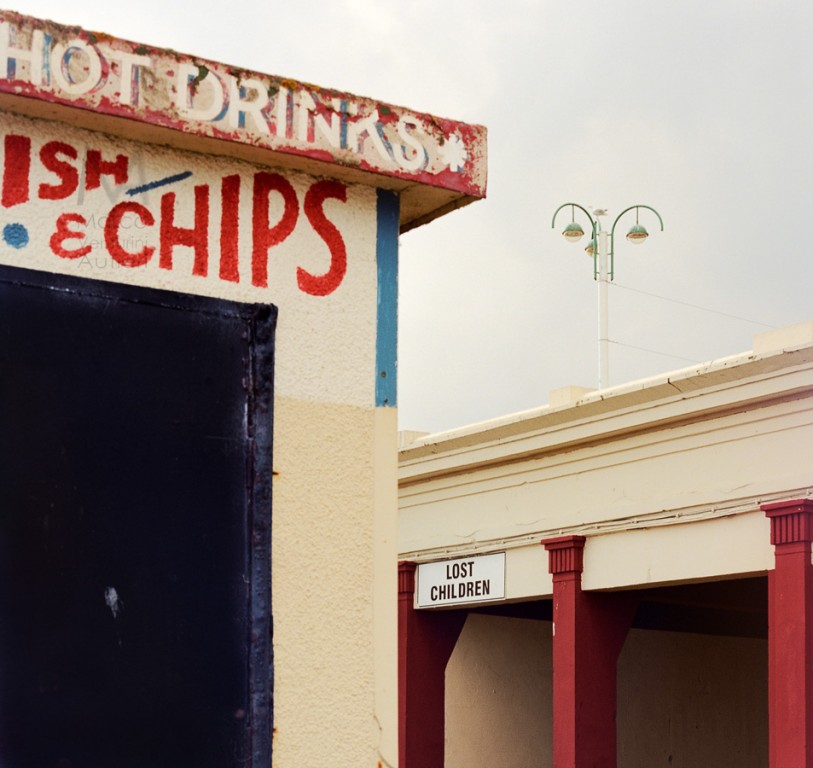
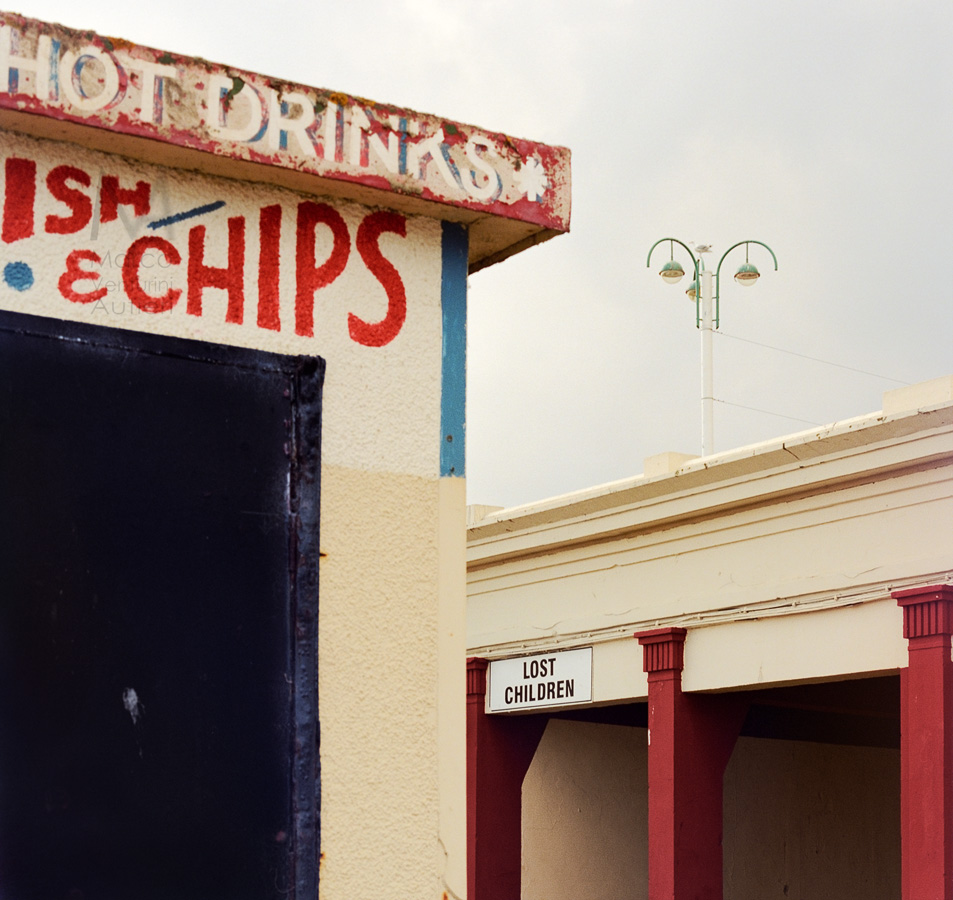
Bronica SQ, Zenzanon PS 80/2.8, Portra 400 with light leaks!
These points can be proven wrong in most photographic situations, with reasons that interconnect. Let’s see:
- Most photos are shot at eye level. However, this is not a necessity, nor the point of view that can create the most interesting perspectives. On the contrary, if we were able to elevate ourselves by a couple of meters, or to lower our eyes by one meter, we would see things in a new and thus better way. With a tripod, we can’t do the former, but we can do the latter. We don’t need to raise the tripod-mounted camera to our height in order to frame the perfect shot. Au contraire,by using a short tripod we gain two things:
- a new interesting p.o.v.,
- a smaller/lighter/more stable/cheaper tripod
- The advantage of carbon fibre over the cheaper aluminum is undeniable, but also only noticeable for large structures. Short tripods only benefit marginally by carbon fibre (in the ballpark of 200g), while the price may go up disproportionately. You can’t have a good cheap light tripod, but you can have a short good light tripod!
- Only good and sturdy heads can hold a heavy camera at steep angles; however, you don’t need to use steep angles and don’t need a heavy camera; furthermore, you are in control of the camera’s centre of mass. Let’s see:
- Since we are considering a short tripod, it makes sense to consider a camera that can be used without kneeling down – with a vertical viewfinder. Vertical viewfinders are commonly found in medium format cameras and in modern digital cameras with tiltable screen.
- A camera, as heavy as a Bronica SQ or a Hasselblad can be, may not be a problem for a small head if it is properly balanced. With a tripod attachment roughly in the middle, a medium format camera with standard lens is perfectly balanced and, using a square format, does not need the unstable vertical orientation.
- A reflex with a relatively long lens (e.g. 135mm) can be made stable by wisely attaching the quick release plate in an off-centre position, by so doing moving advantageously the centre of mass
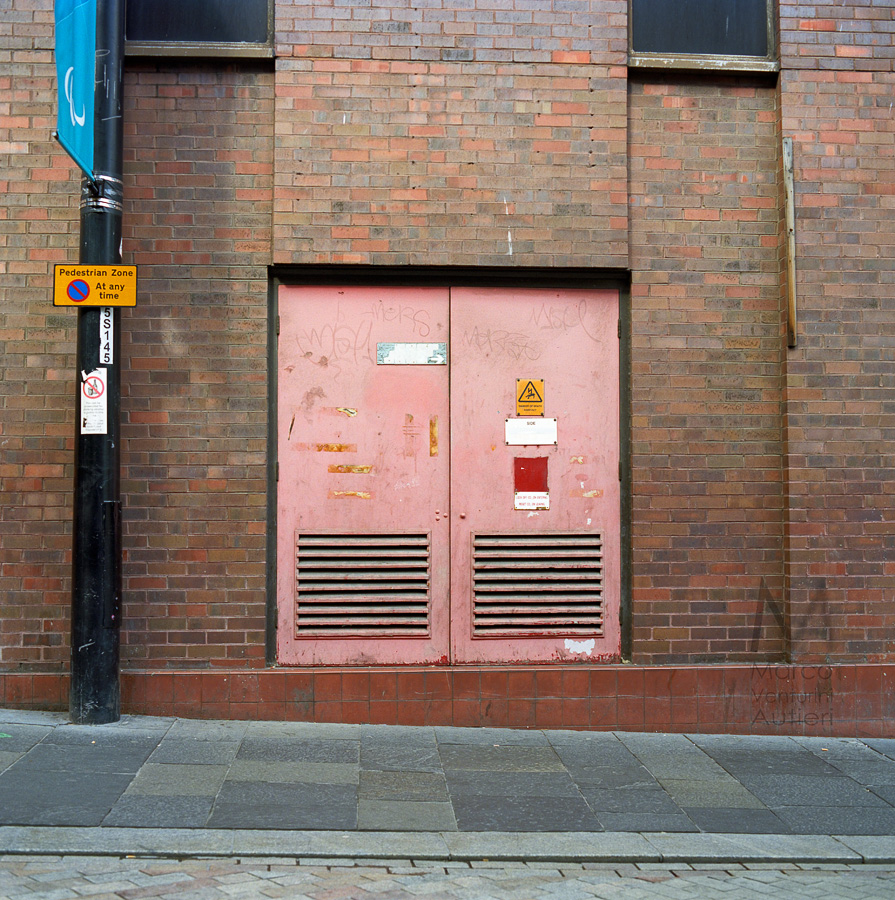
All this is the prefatory reasoning behind the choice of my new travel tripod/head system, that I added to the extremely heavy Manfrotto 028 that will now stay in the studio only. I am very happy of the light and cheap combination provided by Giotto’s MH 1312-652 (ball head and release plate) and MT 9240B (aluminium tripod).
